
Select your language


The day was gray and heavy, as if even the sky mourned what was about to happen. Lady Jane Grey, a young woman of barely seventeen who had been proclaimed Queen of England for a brief and turbulent nine days, sat alone in a small stone cell in the Tower of London. Her slender, fragile figure was wrapped in a simple white dress, a symbol of purity that contrasted sharply with the darkness of the walls around her.
Read more … The Execution of Lady Jane Grey: The Queen Who Reigned 9 Days and Died at 17
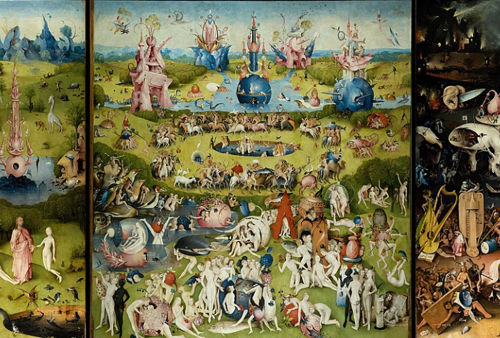
Some paintings are simply looked at. Others are wandered through. And then there's The Garden of Earthly Delights, by Hieronymus Bosch, a work so dense with details, creatures, and symbols that not even five hundred years of study have managed to fully agree on what it actually means.
Read more … The Garden of Earthly Delights: The Triptych Bosch Hid in Three Worlds
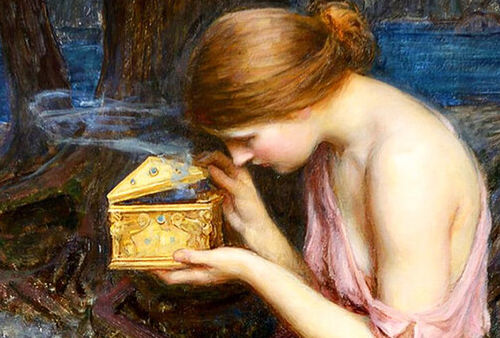
Some stories begin with a woman. Not with a war, a king, or a monster. With a woman. In Greek mythology, that woman was called Pandora. And her story is far stranger — and considerably darker — than the popular version of the curious young woman who opened a box and let all the evils of the world escape.
Read more … Pandora and Eve: two women, two stories, two destinies

Some paintings are admired. Others are investigated. Francesco Hayez's The Kiss belongs to the first group. Hans Holbein the Younger's The Ambassadors, without a doubt, belongs to the second: it is likely the most studied, discussed, and analyzed work of the entire Northern Renaissance, and it still raises unresolved questions today.
Read more … Holbein's The Ambassadors: The Painting With Two Hidden Skulls
Page 2 of 13
Estamos ahi, igual que tu !


 Sumérgete en un viaje emocionante donde la creatividad y la belleza artística se fusionan para dar vida a narraciones atemporales que siguen cautivando al mundo moderno. Desentrañamos los secretos ocultos detrás de estas obras icónicas y te llevamos en un recorrido único por la intersección entre mitología y genialidad artística.¡Déjate inspirar por la riqueza cultural que perdura a través de los siglos !